Watercolor Floral Botanicals: Elevating Digital Design with Organic Texture
In an era dominated by sleek vector graphics and minimalist typography, there is a distinct and growing counter-movement toward the organic, the imperfect, and the deeply personal. This shift has placed Watercolor Floral Botanicals at the forefront of modern creative workflows. No longer relegated to traditional fine art or vintage scrapbooking, these hand-painted elements have become essential assets for digital entrepreneurs, wedding stationers, and brand identity designers who seek to infuse their work with warmth and authenticity. The relevance of this aesthetic lies in its ability to humanize digital spaces, bridging the gap between screen-based interactions and the tactile comfort of the natural world.
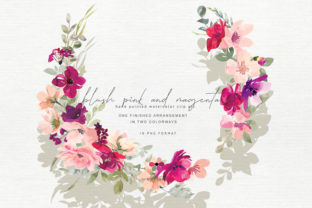
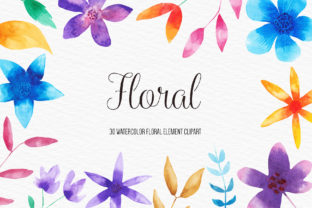
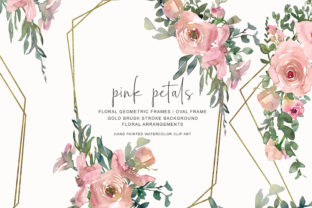
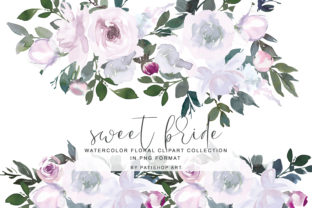
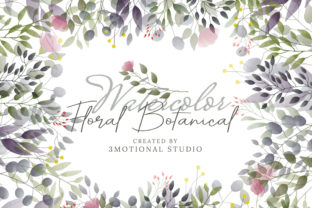
The specific utility of a curated collection, such as a set of 34 watercolor botanical clip-art leaves drawn in PNG Adobe Photoshop formats, cannot be overstated for today’s hybrid creator. These are not merely decorative afterthoughts; they are foundational building blocks for visual storytelling. When a designer utilizes colorful plant branches with transparent backgrounds, they are accessing a visual language that communicates growth, tranquility, and bespoke craftsmanship. For professionals aged 20 to 50 navigating saturated markets, these assets offer a practical solution to the challenge of differentiation. They provide an immediate sense of established quality and artistic intention that can take hours to achieve through custom illustration alone.
The Evolution of Botanical Assets in Modern Workflows
Historically, incorporating floral illustrations into professional design required either hiring a specialized illustrator or possessing advanced painting skills oneself. The workflow was slow, expensive, and often resulted in static imagery that was difficult to adapt across different media. Today, the landscape has shifted dramatically. The availability of high-resolution, pre-rendered assets has democratized access to premium aesthetics. However, the market has also matured; users now demand technical excellence alongside artistic beauty. Low-resolution scans or poorly masked edges are no longer acceptable in professional contexts.
This evolution explains why specifications like 12 x 12 inches at 300 DPI have become the industry standard for digital botanical assets. This resolution ensures that the same file used for a small Instagram story graphic can also serve as the hero image for a printed wedding invitation or a large-format poster without pixelation. The transition from physical medium to digital asset requires this fidelity to maintain the integrity of the watercolor bloom, the grain of the paper, and the transparency of the wash. Modern creators expect assets that respect the original art form while functioning seamlessly within non-destructive editing environments like Adobe Photoshop, Canva, or Procreate.
Furthermore, the format itself has evolved to suit agile workflows. The PNG format with a transparent background is critical because it allows for layering without the tedious process of manual extraction. In a fast-paced branding project or a DIY crafting session, time spent removing white backgrounds is time lost. Ready-to-use botanical graphics streamline production, allowing creators to focus on composition and color grading rather than technical cleanup. This efficiency is particularly vital for freelancers and small business owners who must balance creative output with operational demands.
Meeting the Demand for Authentic Connection
Current design trends reflect a broader societal desire for connection and mindfulness. As our lives become increasingly digitized, visual elements that evoke nature serve as a psychological anchor. Watercolor Floral Botanicals fit precisely into this cultural moment because they carry the "hand of the artist." Unlike generated vectors which can feel sterile, watercolor retains the unpredictability of water and pigment. This imperfection is a feature, not a bug. It signals to the viewer that a human being was involved in the creation process, fostering trust and emotional resonance.
For wedding stationery designers, this emotional component is a business imperative. Couples are moving away from cookie-cutter templates toward designs that feel intimate and reflective of their personal narrative. A collection of 34 distinct botanical illustrations offers the variety needed to create cohesive yet unique suites. Designers can mix dense foliage with delicate single stems to guide the eye across an invitation, creating hierarchy and flow that feels organic rather than grid-locked. The dreamy, natural feel of these assets aligns perfectly with contemporary wedding aesthetics that prioritize atmosphere and sensory experience over rigid formality.
In the realm of DIY branding and logo creation, these botanical elements serve a similar function. Small businesses, particularly those in wellness, beauty, education, and artisanal food, rely on visual cues to communicate their values. A logo accented with a soft, watercolor leaf suggests sustainability, gentleness, and organic origins more effectively than a bold, geometric sans-serif font could on its own. By integrating these ready-to-use graphics, entrepreneurs can achieve a boutique look without the boutique price tag, making professional-grade branding accessible to startups and hobbyists alike.
Practical Applications Across Creative Disciplines
The versatility of a 34-piece watercolor botanical collection extends far beyond stationary. Understanding the practical implications of these assets helps maximize their return on investment for various user groups:
- Social Media Content Creation: Bloggers and marketers can use individual leaves and branches as framing devices for text overlays. The transparent backgrounds allow these elements to sit atop photographs or solid colors without obscuring key information, adding texture to flat digital layouts.
- Product Packaging and Labeling: For makers selling physical goods, watercolor botanicals provide a cost-effective way to elevate packaging. A simple kraft paper tag stamped with a high-quality print of a colorful plant branch transforms generic packaging into an unboxing experience.
- Educational Materials: Educators and curriculum designers utilize these soft visuals to make learning materials more approachable. Botanical illustrations can break up dense text in worksheets or presentations, reducing cognitive load and maintaining engagement through gentle visual stimulation.
- Scrapbooking and Memory Keeping: While digital planning is popular, traditional scrapbooking remains a vital practice for preserving memories. High-DPI PNGs can be printed at home or through professional services, ensuring that digital archives translate beautifully to physical albums.
- Web Design and UI: Web designers are increasingly using organic shapes to soften user interfaces. Watercolor splashes and vines can serve as unique dividers, background textures, or hover states, distinguishing a site from standard Bootstrap or WordPress themes.
Technical Considerations for Optimal Results
To fully leverage a collection of watercolor botanical clip-arts, users must understand the technical nuances of working with rasterized paint. While the convenience of PNG files is immense, proper handling ensures longevity and quality. Because these are 300 DPI files sized at 12 x 12 inches, they contain significant data. Working in a color-managed environment is recommended to prevent shifts in hue when moving between screen and print. Watercolor relies heavily on subtle gradients and transparency; improper color profiles can flatten these details, turning a luminous petal into a dull, opaque shape.
Layering is another critical skill when working with this specific type of asset. Since watercolor is inherently translucent, stacking multiple PNG leaves creates depth and richness that mimics real painting. Creators should experiment with blend modes in Adobe Photoshop or similar software. Modes like Multiply or Overlay can enhance the interaction between overlapping botanical elements, allowing the colors to merge naturally rather than simply sitting on top of one another. This technique is particularly useful for creating custom wreaths, borders, or dense floral arrangements from a limited set of individual components.
It is also important to consider scale and proportion. A collection of 34 illustrations provides a toolkit, not a finished product. The most successful designs use these assets with intention. Avoid cluttering a layout simply because the assets are available. Instead, use negative space to let the watercolor breathe. The beauty of botanical illustration lies in its airiness; respecting the white space around a branch or leaf maintains the dreamy, personal feel that makes this style so effective. Whether designing a business card or a wall art print, the restraint shown in placement often matters more than the complexity of the arrangement.
Sustainable Creativity and Future Relevance
As we look forward, the role of Watercolor Floral Botanicals in digital design appears stable and enduring. This is not a fleeting trend but a response to a permanent need for balance in our visual diet. The integration of traditional art forms into digital ecosystems represents a maturation of design technology, where tools serve to amplify human expression rather than replace it. For the diverse audience of creators, marketers, and hobbyists, investing in high-quality, versatile assets like this 34-piece collection is an investment in visual literacy.
Moreover, the reuse and adaptation of existing high-quality assets align with sustainable creative practices. Not every project requires a net-new illustration from scratch. Utilizing professionally crafted botanical libraries reduces the time and energy expenditure associated with content creation, allowing for more thoughtful application and strategy. It empowers users to produce beautiful, meaningful work efficiently, ensuring that the personal touch remains viable even in a high-speed digital economy.
Ultimately, the value of these watercolor botanical illustrations lies in their dual nature: they are technically robust digital files that retain the soul of analog art. They meet the rigorous demands of modern printing and screen display while satisfying the human craving for beauty and nature. Whether used for a client’s rebrand, a personal journal, or a commercial product line, these assets provide a reliable foundation for creativity that feels both timeless and timely. By understanding their context, technical requirements, and emotional impact, creators can harness the full potential of watercolor botanicals to build projects that resonate deeply with their intended audiences.