Elevating Digital Design with the Floral Collection Watercolor Tulips
In the rapidly evolving landscape of digital creativity, the distinction between professional bespoke illustration and accessible stock assets continues to blur. For entrepreneurs, marketers, and freelance designers, the demand for authentic, organic aesthetics has never been higher. This shift is not merely stylistic; it represents a fundamental change in how brands communicate warmth and approachability in an increasingly automated world. Within this context, the Floral Collection Watercolor Tulips emerges as more than just a set of decorative elements. It serves as a strategic asset for professionals seeking to integrate hand-painted authenticity into scalable digital workflows without compromising on technical quality or versatility.
The Resurgence of Organic Aesthetics in Digital Media
We are currently witnessing a significant correction in visual design trends. After years dominated by flat vector art, rigid geometry, and hyper-minimalism, there is a palpable market fatigue. Consumers and clients alike are gravitating toward textures that feel human, imperfect, and tactile. Watercolor, with its inherent unpredictability and softness, offers an antidote to the sterile precision of AI-generated imagery and corporate minimalism. The Floral Collection Watercolor Tulips capitalizes on this trend by providing high-fidelity botanical art that retains the nuance of traditional media while functioning seamlessly within modern digital ecosystems.
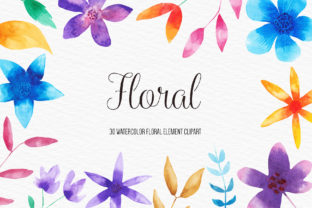
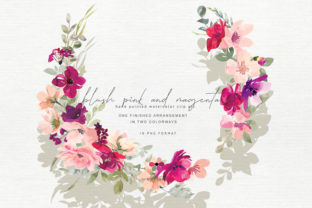
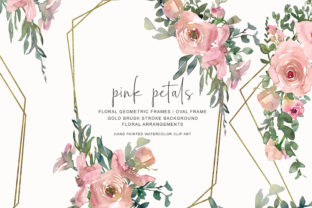
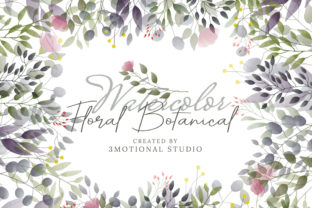
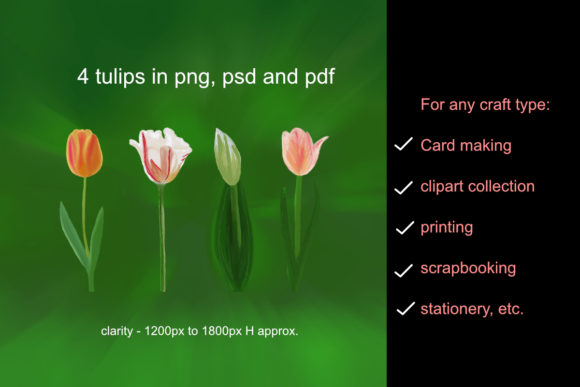
This collection is specifically curated to bridge the gap between analog charm and digital utility. Comprising four distinct tulip illustrations, these assets are designed for creators who understand that floral motifs are timeless but require contemporary execution to remain relevant. Whether used for spring marketing campaigns, wedding stationery, or lifestyle branding, these tulips offer a sophisticated alternative to generic clip art. They speak to a consumer base that values craftsmanship and natural beauty, aligning brand identity with broader cultural movements toward sustainability and mindfulness.
Technical Versatility: PNG Transparency and Workflow Integration
For professionals, aesthetic appeal must always be matched by functional reliability. A beautiful illustration is useless if it cannot be integrated efficiently into a production pipeline. The Floral Collection Watercolor Tulips addresses this critical need through its file structure. The inclusion of four individual PNG files with transparent backgrounds is a non-negotiable standard for modern design work. Transparency allows for non-destructive layering, enabling designers to place these florals over colored backgrounds, photographs, or textured paper stocks without the unsightly white boxes associated with older raster formats.
This technical specification directly supports the agile workflows favored by today’s freelancers and agencies. When working under tight deadlines, the ability to drag and drop a pre-masked, high-resolution element can save hours of tedious selection and masking work. Furthermore, the transparency preserves the delicate, semi-transparent edges characteristic of real watercolor paint. This fidelity ensures that when the tulips are composited onto a new background, they appear to have been painted directly onto that surface, maintaining the illusion of traditional media creation.
The Strategic Value of Layered PSD and PDF Formats
While PNGs offer immediate utility, the inclusion of a consolidated PSD and PDF format elevates this collection from a simple asset pack to a flexible design resource. For advanced users and print professionals, these formats unlock capabilities that flat images cannot provide. The PSD file preserves the original layering and color information, allowing for granular adjustments. A marketer might need to shift the hue of a petal to match a specific brand Pantone, or a packaging designer might need to isolate a single bloom from the arrangement. Having access to the source architecture ensures that the Floral Collection Watercolor Tulips can adapt to diverse project requirements rather than forcing the project to adapt to the asset.
Similarly, the PDF format serves a dual purpose. In the realm of print production, PDF remains the industry standard for preserving color profiles and vector-raster relationships. For digital creators, it acts as a comprehensive preview catalog, allowing teams to review and approve assets before importing them into layout software. This multi-format approach demonstrates an understanding of the cross-disciplinary nature of modern creative work, where a single visual asset may travel from a social media manager’s phone screen to a commercial printer’s RIP software.
Meeting the Changing Needs of the Creator Economy
The relevance of this collection extends beyond its visual and technical attributes; it reflects the changing economics of creative production. Small business owners and solo entrepreneurs often lack the budget to commission custom botanical illustrations for every seasonal campaign. Conversely, they wish to avoid the legal ambiguities and overuse associated with massive subscription-based stock libraries. The Floral Collection Watercolor Tulips occupies a vital middle ground: premium, licensable quality at an accessible price point, offering exclusivity without the bespoke price tag.
This shift is driven by the democratization of design tools. As platforms like Canva, Procreate, and Adobe Express become more powerful, the barrier to entry for creating professional-grade collateral has lowered. However, this accessibility increases the responsibility on creators to source high-quality foundational elements. Low-resolution or poorly digitized florals stand out negatively against crisp typography and modern layouts. By providing high-resolution source files, this collection empowers non-specialists to achieve agency-level polish. It acknowledges that today’s user is likely multitasking—perhaps managing a Shopify store in the morning and designing Instagram stories in the afternoon—and needs assets that perform reliably across both contexts.
Practical Applications Across Industries
The versatility of these four tulip illustrations makes them applicable across a wide spectrum of professional verticals. Understanding these use cases helps clarify why such specific assets remain in high demand despite the proliferation of generative AI.
- Stationery and Print Design: Wedding invitations, greeting cards, and event signage rely heavily on botanical themes. The transparent PNGs allow for elegant overlays on vellum or linen cardstock, while the PSD enables customization for different wedding party members.
- E-Commerce and Packaging: Beauty, skincare, and wellness brands frequently utilize floral imagery to signal natural ingredients. These tulips can serve as primary packaging graphics or secondary web elements, adding a touch of luxury to product photography.
- Digital Marketing: Social media templates, email newsletters, and blog headers benefit from organic accents that break up text-heavy content. The watercolor texture adds visual interest without overwhelming the call-to-action.
- Textile and Surface Pattern Design: The included PSD format is particularly valuable for surface designers who may wish to extract individual elements to create repeating patterns for fabric, wallpaper, or wrapping paper.
Future-Proofing Creative Assets
As we look toward the future of digital design, the value of authentic, human-made assets is likely to increase rather than diminish. While technology accelerates, the human desire for connection and tangible beauty remains constant. Investing in high-quality, multi-format resources like the Floral Collection Watercolor Tulips is a form of future-proofing. Unlike trendy vector styles that may date quickly, watercolor botany possesses a classical endurance. Moreover, owning the layered source files protects creators against platform obsolescence; as long as one has the PSD, the asset can be migrated to whatever new software emerges next decade.
Furthermore, this collection aligns with the growing emphasis on ethical and sustainable sourcing in the creative industry. By supporting independent artists and purchasing defined asset packs, businesses contribute to a healthier creative ecosystem compared to relying solely on algorithmic generation or exploitative content mills. This ethical dimension resonates with modern consumers who increasingly scrutinize the origins of the products and media they engage with.
Conclusion: A Tool for Authentic Expression
Ultimately, the Floral Collection Watercolor Tulips represents a convergence of artistic tradition and digital pragmatism. It is a response to the market's craving for warmth, a solution to the technical demands of professional workflows, and a versatile tool for the multifaceted modern creator. By offering four distinct blooms in transparent PNG, alongside editable PSD and portable PDF formats, it removes friction from the creative process while elevating the final output.
For professionals navigating the intersection of commerce and creativity, such assets are not merely decorative afterthoughts. They are essential components of a visual language that speaks to authenticity, quality, and human connection. In an era where attention is scarce and differentiation is difficult, the subtle elegance of hand-painted tulips provides a powerful means to capture hearts and minds, proving that even in the digital age, the most effective designs are those that feel undeniably alive.