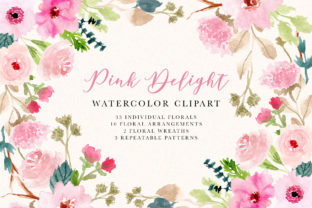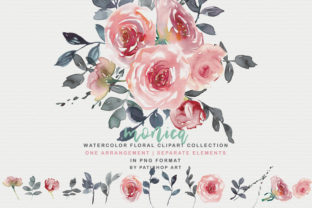
Blush Watercolor Floral Clipart Guide
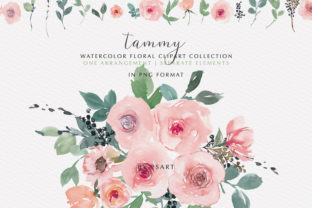
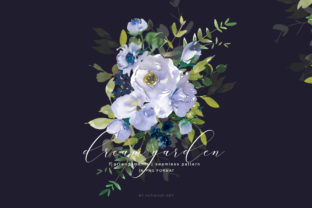
Elevating a visual identity often comes down to selecting organic elements that feel both intentional and effortless, which is exactly why high-quality Blush Watercolor Floral Clipart has become a staple in modern graphic design portfolios. These delicate botanical assets bridge the gap between traditional artistry and digital precision, offering creators a versatile foundation for everything from wedding stationery to sophisticated brand packaging. When sourced correctly, these illustrations provide an immediate sense of warmth and elegance that solid color blocks or vector icons simply cannot replicate.
Technical Specifications for Professional Results
For designers and marketers, the technical integrity of creative assets is just as important as their aesthetic appeal. A professional-grade blush watercolor floral collection should include PNG files rendered at 300 dpi to ensure crisp edges and vibrant color fidelity across both print design and digital platforms. The RGB color mode is essential for maintaining luminosity on screens, making these elements ideal for web design, UI design, and social media graphics where color accuracy impacts user engagement.
Versatility in sizing allows for seamless integration into complex layouts without loss of quality. A comprehensive asset pack typically features:
- Large Arrangements (10x10 inches): Perfect for hero images, packaging backgrounds, or editorial spreads requiring substantial visual weight.
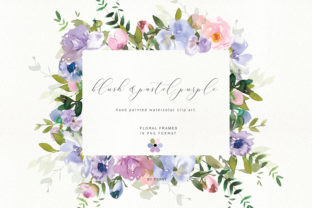
- Medium Elements (3x3 inches): Ideal for framing text, accenting logos, or balancing white space in marketing materials.
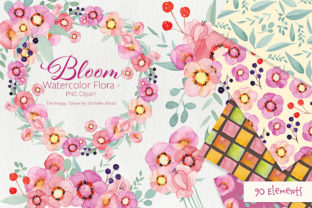
- Small Accents (2x2 inches): Useful for subtle texture, bullet points, or adding organic flow to typography and iconography.
Crucially, transparent backgrounds are non-negotiable. This feature ensures that the florals integrate naturally with existing color palettes and brand identity systems without awkward bounding boxes or manual masking, streamlining the design workflow significantly.
Strategic Applications in Visual Communication
The softness of blush tones makes this style of clipart exceptionally effective for establishing emotional connections in branding and advertising campaigns. In logo design, these florals can soften geometric wordmarks, creating a balanced visual hierarchy that feels approachable yet premium. For packaging design, the organic textures suggest natural ingredients or artisanal craftsmanship, directly influencing consumer perception and shelf appeal.
In the realm of digital marketing and social media content, watercolor florals serve as excellent framing devices that guide the viewer’s eye toward key messages or calls to action. Unlike harsh borders, botanical elements create a natural vignette that enhances readability while maintaining modern aesthetics. Editorial designers also leverage these assets to break up dense text, using the varying sizes to create rhythm and prevent visual fatigue in magazines, lookbooks, or annual reports.
Best Practices for Integration and Composition
To maximize the impact of these creative assets, designers must consider composition and negative space. Avoid overcrowding layouts; instead, let the watercolor textures breathe against clean backgrounds to maintain a polished, professional presentation. When pairing florals with typography, choose typefaces that complement the organic brushwork—serif fonts often enhance the classic elegance, while minimalist sans-serifs can create a striking contemporary contrast.
Consistency is vital when building a cohesive brand identity. Ensure that the opacity and saturation of the clipart align with your overall color palette and design trends. If using multiple elements from the same set, vary their rotation and placement to avoid repetitive patterns that can make a design look templated rather than custom-crafted. Always verify that the resolution remains sharp at the intended output size, as pixelation can undermine the perceived value of luxury or boutique brands.
Ultimately, thoughtful selection and application of botanical assets transform generic templates into distinctive visual experiences. By prioritizing high-resolution, properly formatted files and applying them with strategic intent, designers can harness the timeless appeal of watercolor to improve communication, strengthen brand recognition, and deliver work that resonates deeply with target audiences.