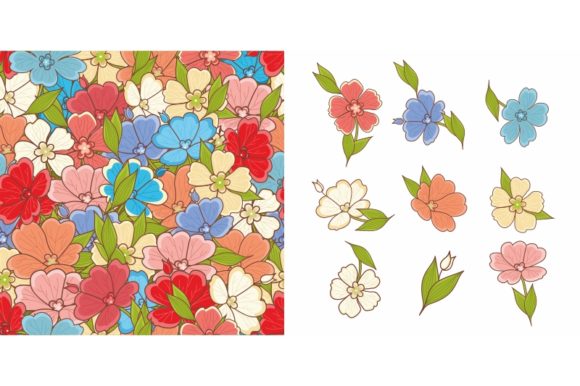
Floral Seamless Pattern: Flowers and Design Versatility for Digital and Print Projects
Selecting the right background texture or motif is often the most critical decision in surface design and digital branding. When evaluating resources for projects ranging from baby shower invitations to commercial textile printing, understanding the specific utility of a Floral Seamless Pattern is essential. This type of asset is distinct because it offers infinite repeatability without visible seams, allowing designers to cover large areas consistently. However, not all floral assets serve the same purpose. Evaluating this specific collection requires looking beyond the aesthetic appeal of blooms and blossoms to understand the technical formats, stylistic origins, and practical applications that differentiate it from generic stock imagery or AI-generated alternatives.
Distinguishing Characteristics of Hand-Painted vs. Generated Florals
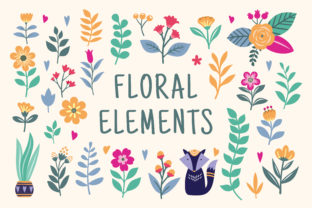
The primary value proposition of this Floral Seamless Pattern lies in its origin and texture. In a market increasingly saturated with vector-based clip art and algorithmic generation, this collection retains the organic imperfections of traditional media. The tags associated with this listing—such as "paint," "paintbrush," "rough," and "textured"—indicate a hand-painted or mixed-media illustration style rather than a clean, mathematical vector construction. For designers seeking a vintage, 60s, or romantic aesthetic, this distinction is vital.
Clean vector florals are excellent for corporate logos and scalable signage where precision is paramount. However, they often lack the warmth required for personal stationery, scrapbooking, or fashion textiles. This pattern bridges that gap by offering the scalability of digital files with the soul of original art. The inclusion of elements like gazania, gerber, and meadow flora suggests a diverse botanical composition that avoids the repetitive, sterile look of computer-generated tiling. When comparing options, buyers must decide if their project demands clinical perfection or artistic character. This resource is optimized for the latter, providing a feminine, nature-inspired backdrop that feels curated rather than computed.
Evaluating File Formats for Specific Workflows
A significant factor in choosing a seamless pattern is format compatibility. This download includes three distinct file types, each serving a different segment of the design workflow. Understanding these differences prevents frustration during production.
- EPS10 (Editable Vector): This is the most versatile component of the package. Unlike raster images, the EPS10 format allows for non-destructive editing. Designers can recolor individual petals, resize elements without pixelation, and isolate specific flowers for standalone use. This is crucial for branding projects where matching a specific Pantone color is necessary. Note that while editable, complex painted textures within vectors can sometimes increase file size and rendering time compared to simple flat vectors.
- JPG (High-Quality Raster): Best suited for web design, digital invitations, and quick mockups. While it lacks editability, it offers immediate usability. For users who do not own vector software like Adobe Illustrator, this format provides a high-resolution texture ready for Photoshop or Canva. The tradeoff is fixed dimensions; scaling up significantly may result in quality loss.
- SVG (Non-Separated): It is important to note the specification "not separated." In many design contexts, SVGs are prized for cut-file capabilities (Cricut/Silhouette). A non-separated SVG acts more like a flattened image container. This format is ideal for web backgrounds and sublimation printing but may require additional work if you intend to cut individual flower shapes. Buyers specifically seeking layered cut files should verify this limitation against their needs.
Best-Fit Applications and Creative Use Cases
Versatility is a key selling point, but practical application determines value. Based on the composition and style of this Floral Seamless Pattern, certain projects yield better results than others. The "ditsy" and "allover" nature of the print makes it exceptionally strong for small-scale goods and dense coverage.
Stationery and Paper Goods: The intricate details of ditsy florals and leaves shine in greeting cards, custom invitations, and scrapbooking. The seamless tiling ensures that whether you are designing a standard 5x7 card or an oversized wedding program, the background remains consistent. The vintage and romantic undertones align perfectly with baby showers and bridal events.
Textile and Fashion: For those exploring fabric design or POD (Print on Demand) products like t-shirts and wrapping paper, the allover print capability is essential. The 60s and Asian art influences mentioned in the metadata suggest a trend-aware aesthetic that fits well with boho-chic or retro-modern fashion lines. Because the EPS file is editable, designers can adjust the scale of the pattern to suit different garment sizes or fabric widths without losing resolution.
Web and Digital Interfaces: While bold patterns can overwhelm UI, this collection’s textured quality allows it to be used effectively at lower opacities as a subtle background element. It adds depth to websites and social media templates without competing with foreground typography.
Tradeoffs and Limitations to Consider
No single design resource is universally perfect. While this Floral Seamless Pattern excels in artistic and decorative contexts, there are scenarios where alternative solutions might be superior. Being aware of these limitations ensures informed purchasing decisions.
Complexity vs. Minimalism: If your design goal is ultra-minimalist line art or geometric abstraction, a detailed painted floral pattern may be too visually heavy. The "rough" and "textured" attributes that make this pattern charming for a nursery wall art piece could detract from a sleek tech startup logo. In such cases, simpler, flat-color vector packs would be a more appropriate choice.
Editability Learning Curve: The inclusion of an EPS10 file is a major advantage, but only for users proficient in vector editing software. Beginners relying solely on basic photo editors cannot access the color-changing or resizing benefits of the vector file. If you lack access to Illustrator, Affinity Designer, or CorelDRAW, you are effectively limited to the JPG and non-separated SVG, reducing the long-term flexibility of the purchase.
Style Specificity: The fusion of Asian art influences with 60s vintage aesthetics creates a unique niche look. However, this specificity means it may not blend seamlessly with other disparate styles. Mixing this pattern with hyper-realistic photography or futuristic neon graphics requires careful design handling to avoid visual dissonance. It pairs best with serif typography, muted earth tones, and organic layouts.
Comparing Instant Downloads to Custom Commissions
When sourcing floral elements, buyers often weigh instant downloads against hiring a freelance illustrator. This Floral Seamless Pattern represents the middle ground between mass-market stock and bespoke art.
Custom commissions offer total exclusivity and tailored color palettes but come with higher costs and longer turnaround times. For one-off projects like a single birthday invitation or a seasonal blog header, commissioning original art is rarely cost-effective. Conversely, free or low-cost stock sites often provide overused designs that lack professional polish or proper licensing for commercial merchandise.
This instant download offers a balanced compromise. The hand-painted quality mimics the uniqueness of custom work, while the instant availability supports tight deadlines. The commercial-friendly nature of the files (suitable for stickers, t-shirts, and wall art) provides ROI that free resources cannot match. For small business owners, Etsy sellers, and DIY enthusiasts, this tier of resource maximizes budget efficiency without sacrificing the "original" feel that end consumers value.
Making the Final Selection Decision
Ultimately, the decision to utilize this Floral Seamless Pattern should be driven by project requirements rather than impulse. Ask the following evaluative questions before downloading:
- Do I need to alter colors? If yes, ensure you have the software to open and edit the EPS10 file. If no, verify the JPG resolution meets your print DPI requirements (usually 300 DPI).
- Is the style cohesive with my brand? Review the "vintage," "romantic," and "Asian art" descriptors against your existing mood board. Consistency builds brand recognition.
- What is the end medium? For physical products like fabric and wallpaper, the seamless repeat is non-negotiable. For digital screens, consider how the texture renders on mobile devices versus desktops.
- Am I comparing apples to apples? When looking at alternatives, compare file inclusions. A cheaper price might exclude the editable vector, costing more in the long run if you need to hire someone to modify it later.
By focusing on technical specifications, stylistic alignment, and practical application, designers can confidently integrate this floral resource into their workflow. Whether creating a nostalgic scrapbook page or launching a new spring fashion line, understanding the nuances of the asset ensures the final output is both beautiful and professionally executed. The combination of editable vectors and high-quality rasters makes this a robust tool for creatives who value both convenience and artistic integrity.