Designing with Christmas Flowers Winter Floral Bouquet Assets for Professional Holiday Projects
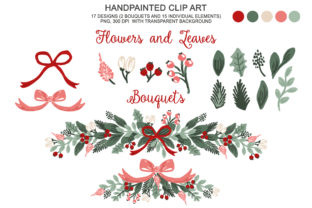
The intersection of traditional botanical illustration and modern digital design has created a significant shift in how seasonal aesthetics are approached across various industries. When utilizing a specialized asset pack such as the Botanical Christmas Clip Art - Watercolor holiday banner bouquet clipart, designers and content creators are not merely placing decorative elements; they are integrating high-fidelity artistic components that bridge the gap between organic warmth and digital precision. This specific collection, featuring 17 PNG files at 300 DPI with transparent backgrounds, serves as a versatile toolkit for professionals ranging from print shop owners to educators crafting seasonal curriculums. Understanding the technical specifications and creative applications of these assets is essential for maximizing their value in both commercial and personal projects.
Technical Specifications and Print Fidelity
For professional designers and business owners, the resolution and file format of digital assets dictate their utility. The inclusion of 300 DPI (dots per inch) in this winter floral collection is a critical specification that separates professional-grade resources from standard web graphics. While screen-based designs often suffice at 72 or 96 DPI, any application intended for physical media—such as greeting cards, packaging, event signage, or textile printing—requires the density provided by 300 DPI to prevent pixelation and ensure crisp edges on watercolor textures.
The transparent background feature inherent in these PNG files eliminates the tedious process of masking or removing white boxes around illustrations. This technical characteristic significantly streamlines workflows for graphic designers using software like Adobe Photoshop, Illustrator, Canva, or Procreate. Instead of spending hours isolating complex watercolor edges, which can be particularly difficult due to the semi-transparent nature of the medium, users can immediately layer elements over colored backgrounds, photographs, or textured paper stocks. This efficiency is vital for businesses operating under tight seasonal deadlines where turnaround time directly impacts revenue.
Dimensional Versatility in Layout Design
Scale plays a pivotal role in composition, and this asset pack addresses diverse layout needs through specific dimensional ranges. The two premade bouquets span from 3 to 14 inches approximately, providing substantial anchor pieces for large-format designs. A 14-inch bouquet element can serve as the primary focal point for an 11x17 poster or a wide website hero banner without losing integrity. Conversely, the smaller end of this range works effectively for standard letter-sized stationery or social media headers.
The 15 individual elements, ranging from 1 to 3 inches approximately, function as modular building blocks. These smaller components allow for granular control over negative space and visual rhythm. In editorial design or scrapbooking, these petite botanicals can be used to guide the viewer’s eye toward text, frame headlines, or fill awkward gaps in a grid layout. The ability to mix large-scale focal points with small-scale accents within the same stylistic family ensures visual cohesion across multi-page documents or comprehensive branding suites.
Strategic Applications Across Industries
The utility of a Christmas Flowers Winter Floral Bouquet extends far beyond simple decoration. Different sectors leverage these botanical assets to achieve specific communication goals and emotional connections with their audiences.
- E-Commerce and Retail Packaging: Online sellers utilize watercolor florals to add a premium, handcrafted feel to product photography and unboxing experiences. Placing a high-resolution pine sprig or holly berry element in the corner of a product listing photo can increase perceived value and seasonal relevance without obscuring the merchandise.
- Event Planning and Stationery: Wedding planners and event coordinators use these assets to create cohesive visual identities for holiday parties and winter weddings. Because the elements are separate, a designer can create a matching suite including save-the-dates, menus, place cards, and thank-you notes that share the exact same botanical DNA.
- Education and Child Development: Educators and homeschoolers incorporate these gentle, realistic watercolor illustrations into learning materials. Unlike cartoonish clip art, botanical accuracy supports nature study and biology lessons even during winter months. Teachers can create counting worksheets, letter tracing activities, or science journals that maintain aesthetic appeal while serving pedagogical functions.
- Digital Content Creation: Bloggers, influencers, and social media managers use these overlays to maintain brand consistency during the holiday season. A subtle floral border on Instagram stories or Pinterest pins signals seasonal content to algorithms and audiences alike, potentially increasing engagement rates during peak search periods.
The Psychology of Watercolor Botanicals
Choosing watercolor over vector or photographic styles is a deliberate psychological decision. Watercolor evokes nostalgia, authenticity, and human touch. In an era dominated by AI-generated imagery and sleek minimalism, the visible brushstrokes and pigment bleeding characteristic of this Christmas Flowers Winter Floral Bouquet style communicate warmth and tradition. For businesses, this translates to approachability and trust. For individuals, it facilitates emotional connection to memories and heritage. Research in environmental psychology suggests that natural forms and organic colors reduce stress and improve mood, making these assets particularly suitable for healthcare communications, wellness brands, and community outreach programs during the often-stressful holiday season.
Compositional Techniques for Non-Designers
While professional designers have trained eyes for balance, hobbyists and small business owners often struggle with arranging multiple floral elements. Understanding basic botanical composition principles can elevate the use of these 17 PNG files from cluttered to curated.
Triangulation and Flow: Rather than centering every element, arrange individual flowers and foliage in triangular groupings. This creates dynamic tension and guides the eye naturally across the canvas. Use the larger premade bouquets as the base of the triangle and position smaller individual elements at the opposing points to create balance.
Layering and Depth: Digital flatness is a common pitfall. Create depth by overlapping elements strategically. Place darker foliage behind lighter blooms, or tuck a small berry cluster partially behind a larger pine branch. The transparent backgrounds make this layering seamless. Shadows can be added digitally beneath layers to enhance the three-dimensional illusion, grounding the floating botanicals against the background.
Color Harmony and Contrast: Although the pack provides a cohesive palette, users should consider their background colors carefully. Deep greens and reds pop vibrantly against cream, ivory, or kraft paper tones but may disappear against dark backgrounds unless outlined or illuminated. Testing contrast ratios ensures accessibility and visual impact, especially for text-heavy designs where readability is paramount.
Licensing, Ethics, and Commercial Considerations
When integrating digital assets into professional work, understanding usage rights is as important as aesthetic quality. Users must verify the specific license terms associated with this instant digital download. Typically, such packs allow for personal use and limited commercial application, such as selling physical products featuring the designs. However, reselling the digital files themselves, claiming them as original artwork, or using them in trademarked logos is generally prohibited.
For researchers and academics citing visual materials, proper attribution maintains integrity. Even when not legally required, crediting the original artist supports the creative ecosystem and models ethical behavior for students and junior team members. Business owners should maintain records of purchase and license agreements to protect against future disputes. Additionally, when modifying these assets—recoloring, cropping, or combining them with other elements—it is best practice to transform them sufficiently so they contribute to a new, unique creation rather than simply reproducing the stock asset.
File Management and Workflow Optimization
Managing 17 individual high-resolution files requires organized digital housekeeping. Creating dedicated folders labeled by element type (e.g., "Foliage," "Berries," "Premade Bouquets") saves valuable time during active design sessions. Renaming files descriptively rather than relying on generic filenames like "element_01.png" improves searchability within asset management systems.
For teams collaborating on holiday campaigns, establishing a shared library with standardized naming conventions ensures consistency. Designers should also consider creating smart objects or symbols in their design software linked to these master PNG files. This allows for global updates; if a higher quality version becomes available or a color correction is needed, updating the master file propagates changes across all layouts automatically. This systematic approach transforms a simple clip art purchase into a sustainable design system capable of supporting multiple seasons and campaigns.
The integration of botanical art into digital spaces represents more than seasonal decoration; it reflects a broader desire to reconnect digital experiences with natural beauty. Whether used by a researcher illustrating a paper on winter flora, a teacher creating engaging lesson plans, or a business owner designing holiday packaging, the technical quality and artistic integrity of these resources enable meaningful communication. By respecting both the artistic origins and technical requirements of these assets, users can create work that resonates authentically with audiences while maintaining professional standards of excellence.